.png)
When “Budget-Friendly” Turns Into a Headache
We’ve all been there, scrolling Amazon at midnight, tempted by an $18 “smart” plug with suspiciously enthusiastic reviews. Or grabbing a deal off TEMU because, really, how bad could it be?
Here’s how it usually plays out:
- It arrives. You unbox it like it’s Christmas morning.
- Setup is clunky. The app feels like it was built in 2012.
- The Wi-Fi drops every other day.
- A month later, it’s either buried in a drawer or heading to the trash.
Call it cheap tech roulette. Or just burnout.
The Hidden Costs of Going Cheap
Cheap smart tech doesn’t just waste your money. It burns time, chips away at your patience, and leaves your “smart home” feeling dumber than before.
1. The Reliability Tax
That $20 smart plug might work, sometimes. But if it takes three resets before the coffee machine kicks in, nothing has been saved.
2. The App Graveyard
Every no-name gadget comes with its own app. Before you know it, your phone is loaded with a graveyard of clunky software that doesn’t talk to anything else.
3. No Ecosystem = No Progress
The whole point of smart tech is integration. Lights talking to blinds. Blinds syncing with your sleep schedule. Budget devices usually can’t keep up, leaving you stuck with standalone products that can’t grow with your setup.
Why the Switch Is Worth Making
A pile of mismatched devices isn’t a smart home. What you want is something intentional, a home that works around you, not the other way around.
That meant a mindset shift: fewer gadgets, better ones.
- Fewer apps: Everything connects through Google, Alexa, or HomeKit.
- Better design: Devices that actually look like they belong in a modern space.
- Real reliability: Automations that just… work.
Where It’s Worth Spending More
Smart Shades
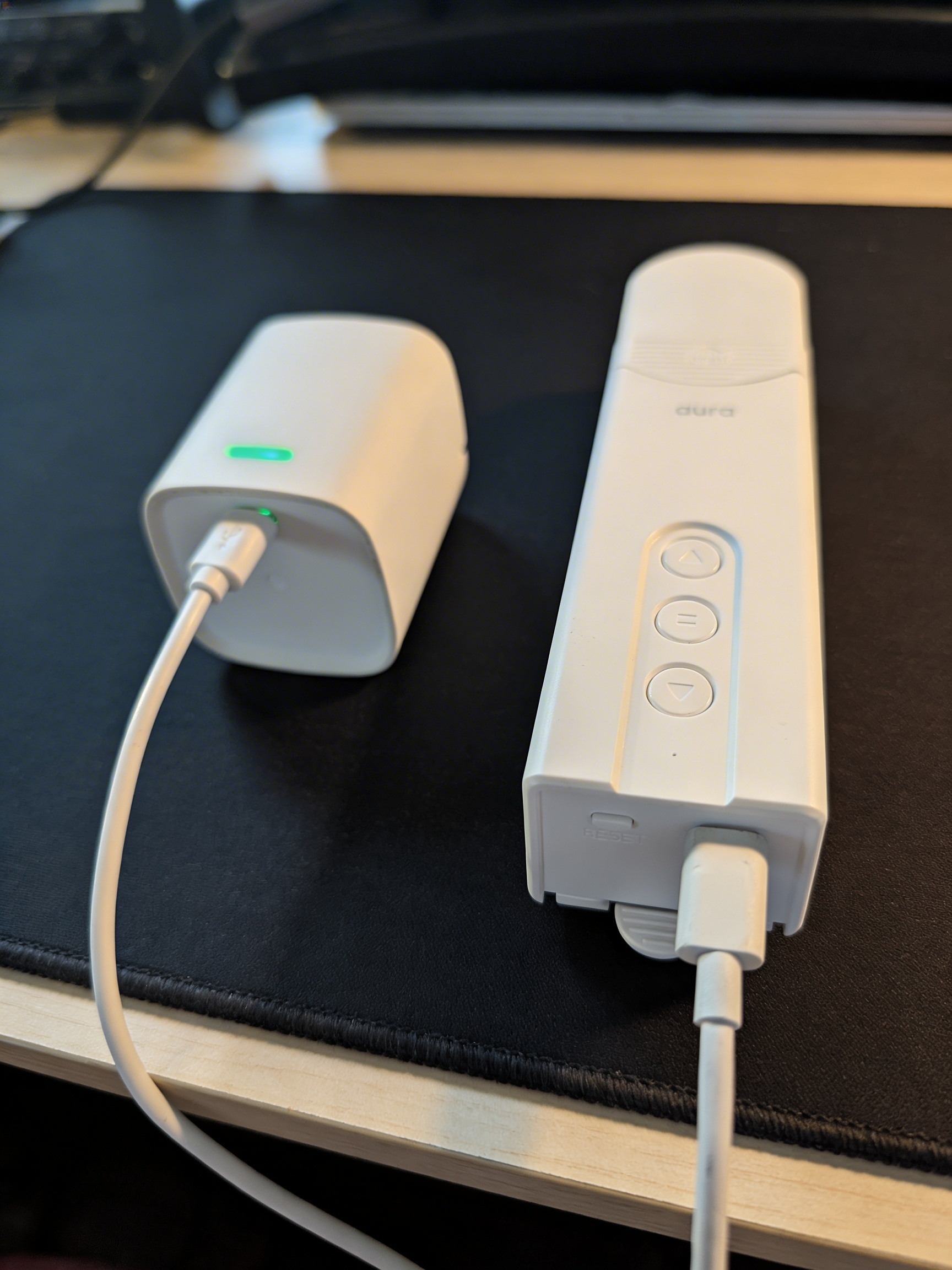
Off-brand motors often can’t handle heavier blinds. RYSE SmartShade retrofits to the shades you already own, handles daily use without hiccups, and integrates into a smart home setup without needing its own clunky ecosystem.
Smart Lighting
Yeah, good bulbs cost more. But they last longer, dim properly, and hit the right tones for working, relaxing, or hosting. Philips Hue is the one worth the money throughout a place.
Smart Plugs & Sensors
Only buy from brands that work with your existing hub. No sketchy apps. No mystery updates. Just smooth integration. TP-Link Kasa plugs and Aqara sensors are the safe defaults.
The Mindset Shift
Buying cheap smart tech feels like “building” a smart home. Investing in quality gear is when you actually have one.
- It blends into the space
- It works without babysitting
- It lasts longer than a season
In an apartment, every square foot, and every app, matters. Better a few devices you trust than a drawer full of “almost” solutions.
If you’re just getting started, I get the appeal of budget gadgets. But once you try something that actually works, you won’t want to go back.